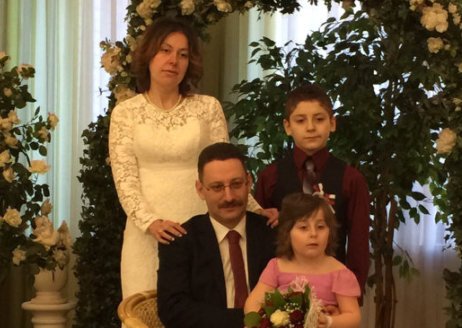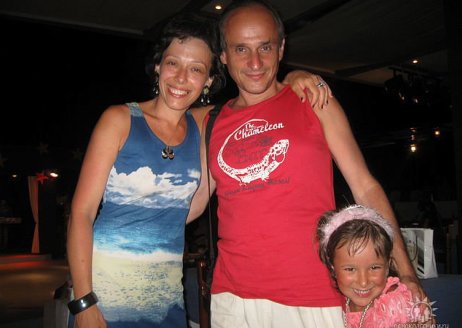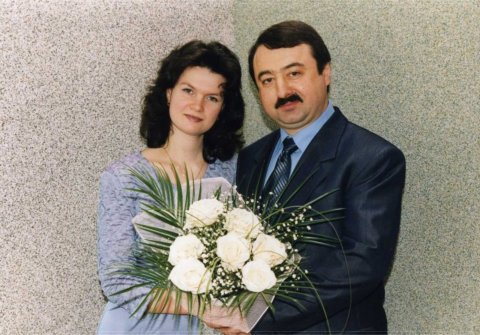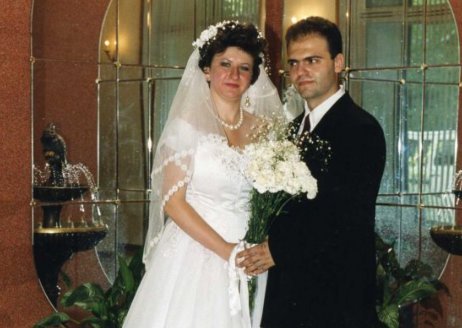
Dating stories
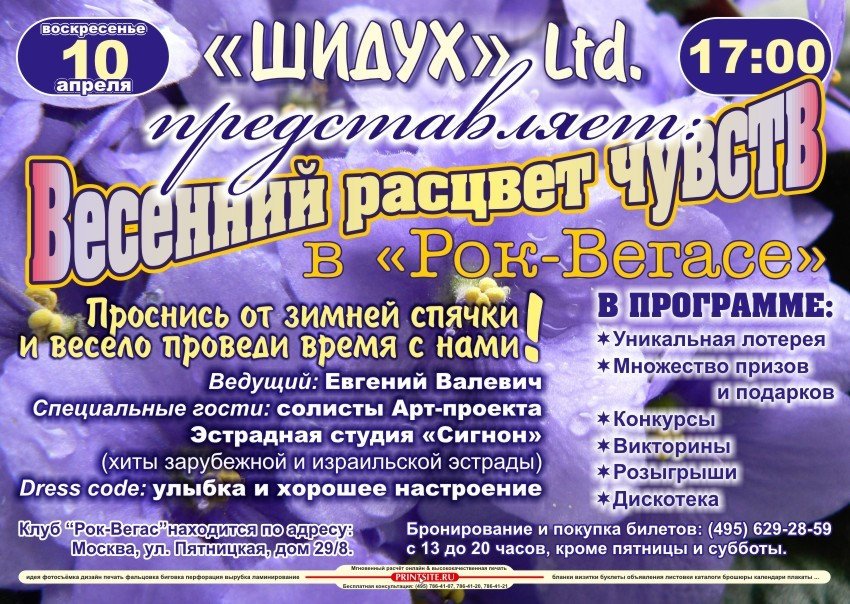
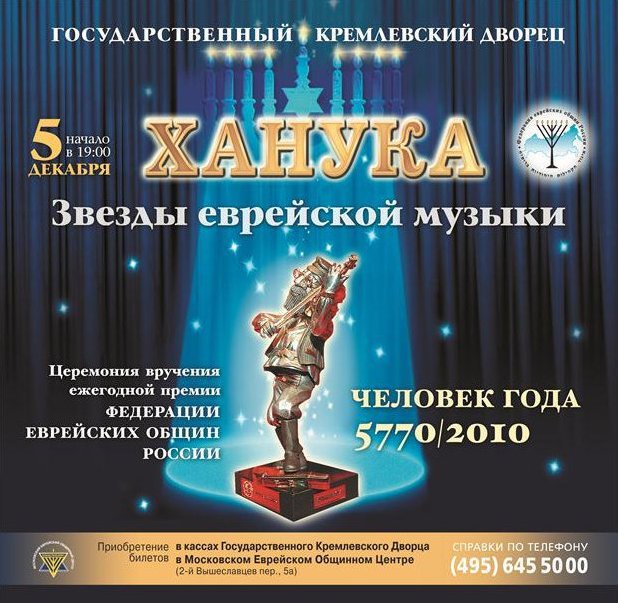
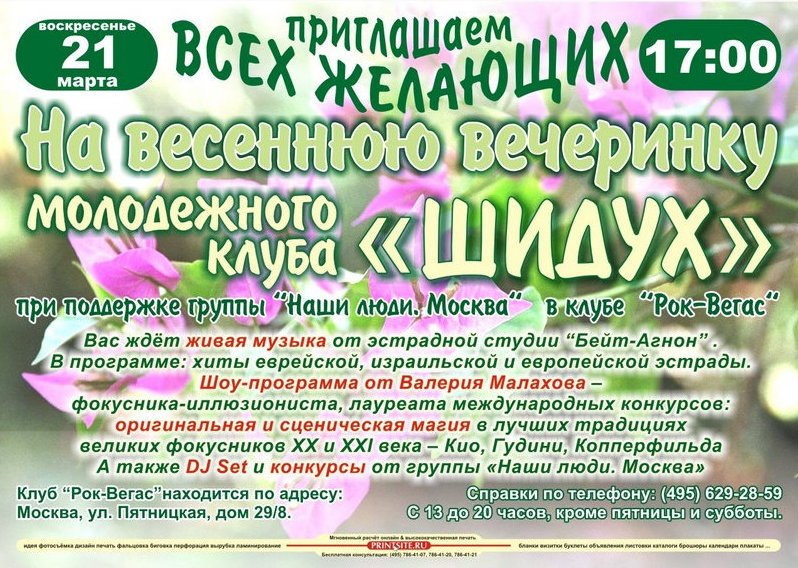
Dating club "Shiduh"
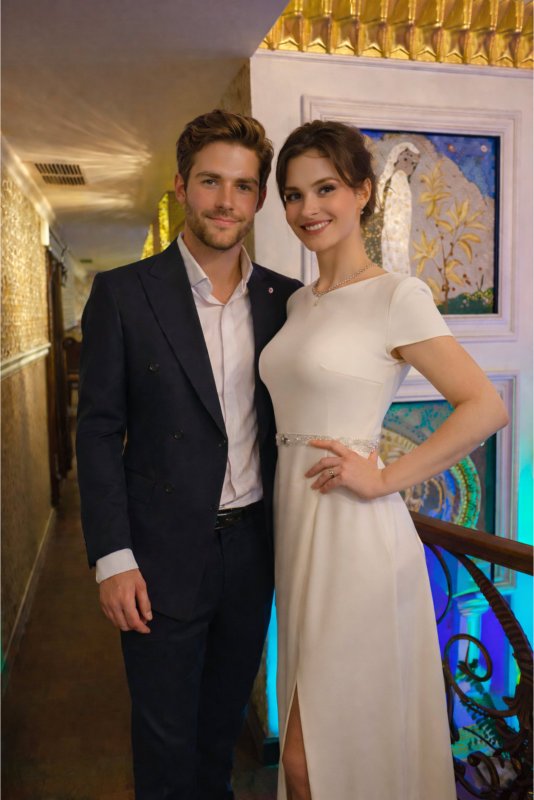
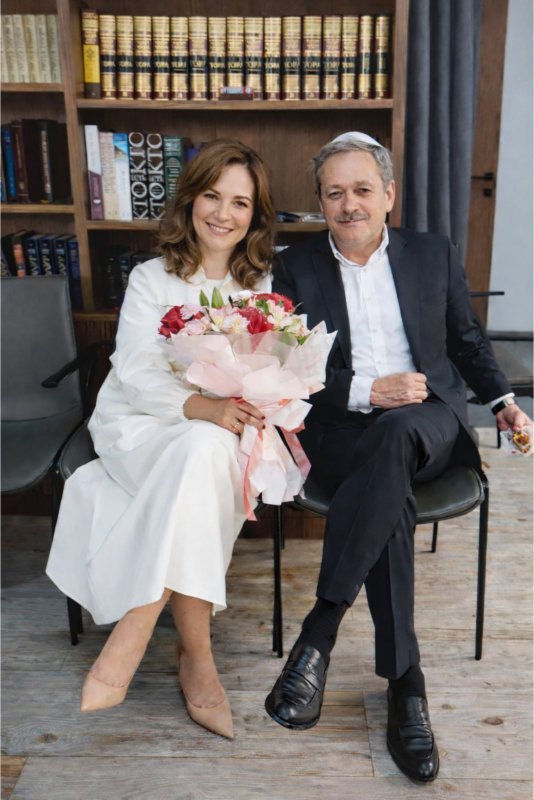
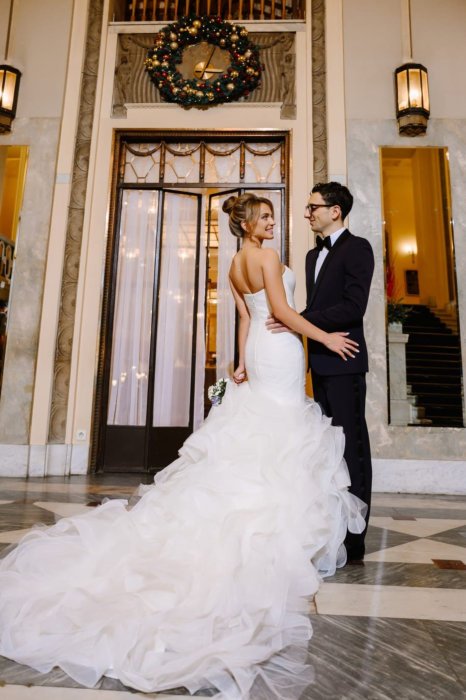
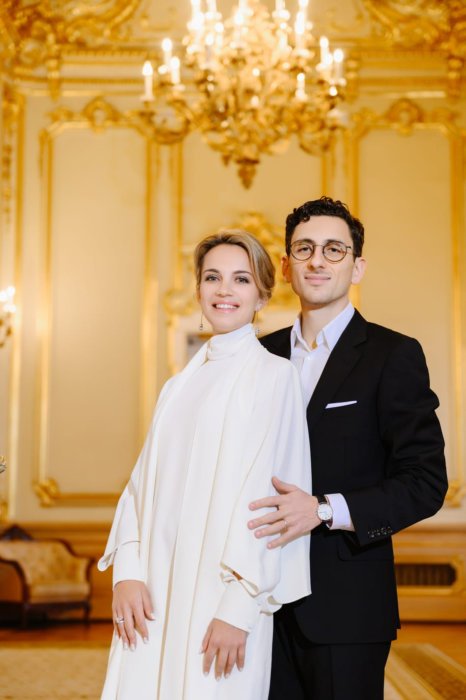
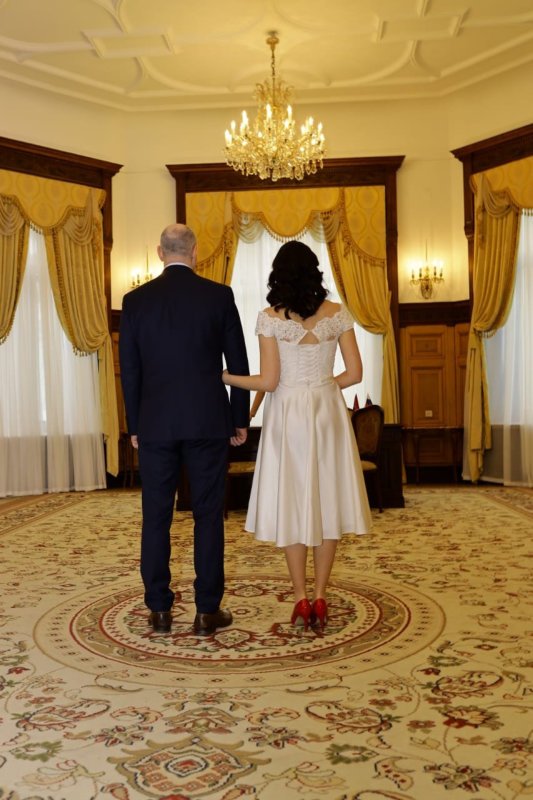
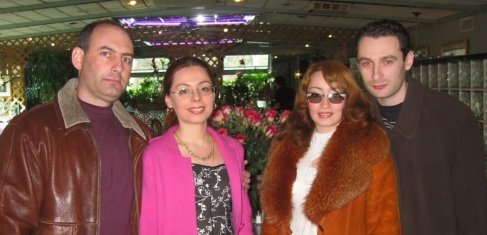
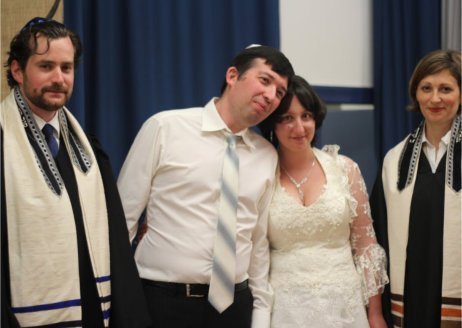
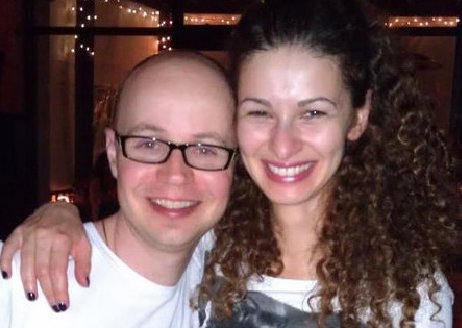
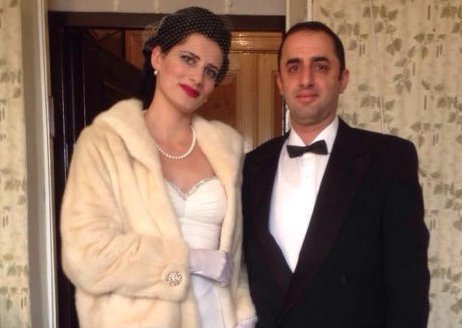
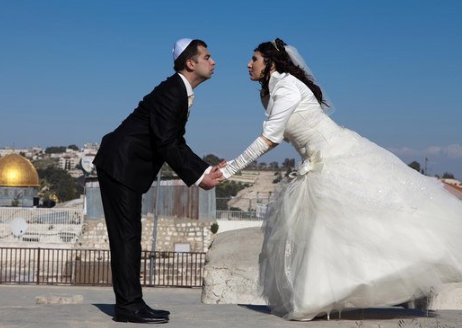
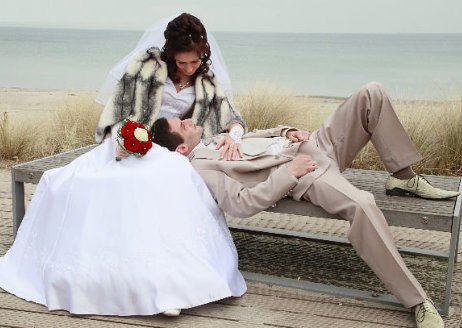
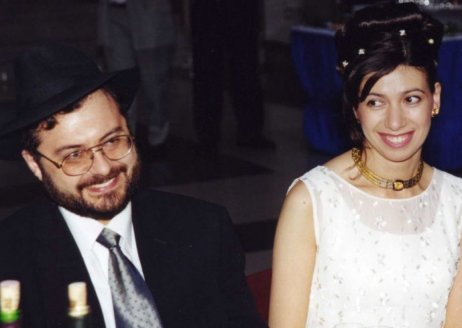
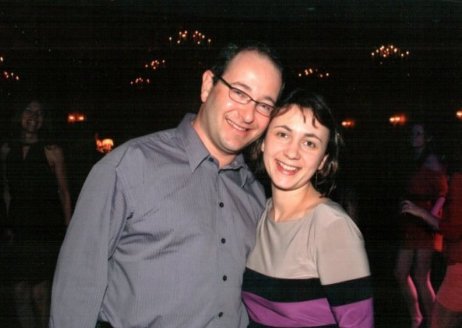
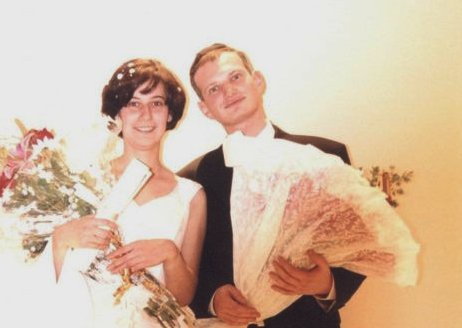
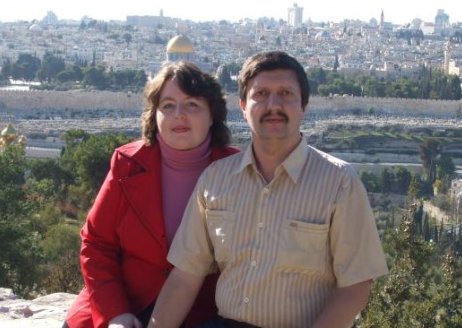
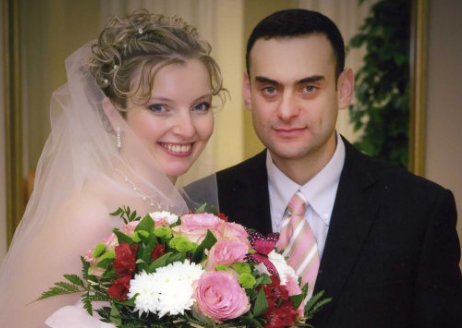
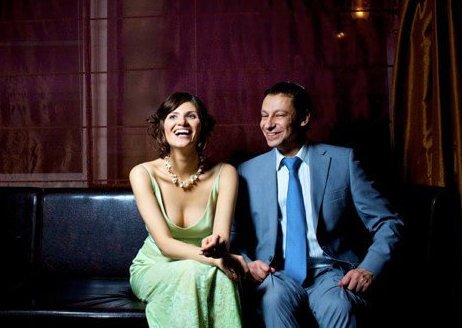
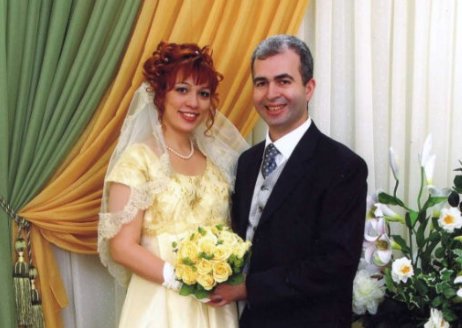
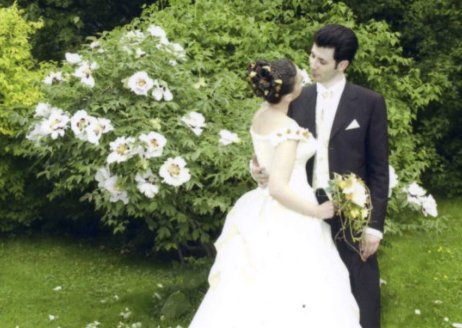
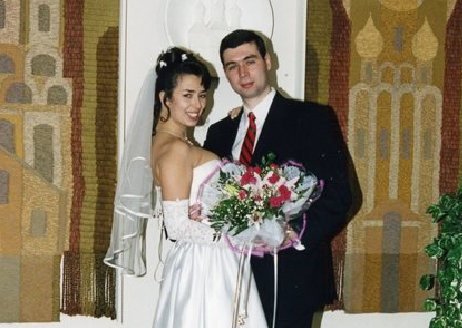
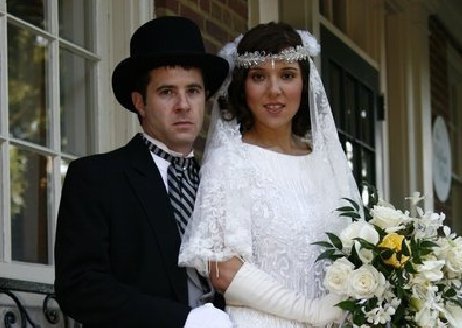
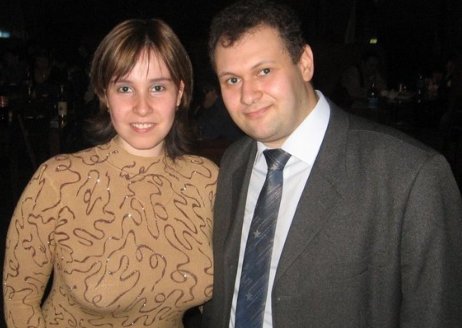
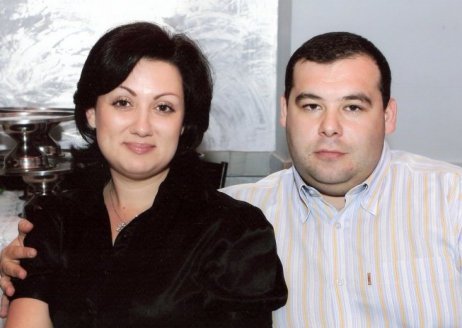
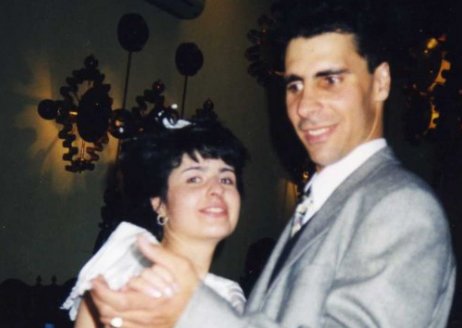
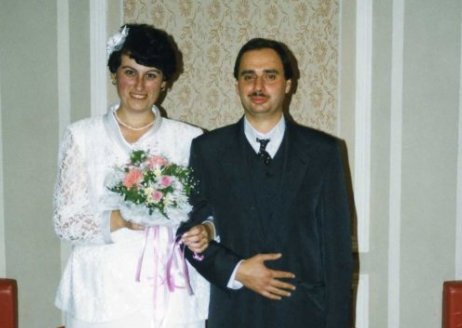
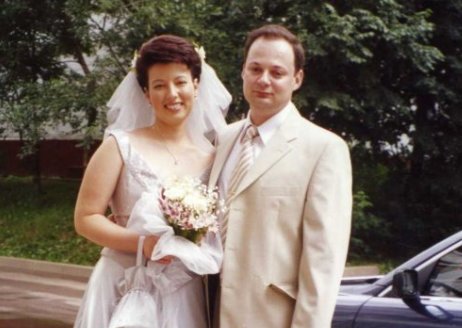
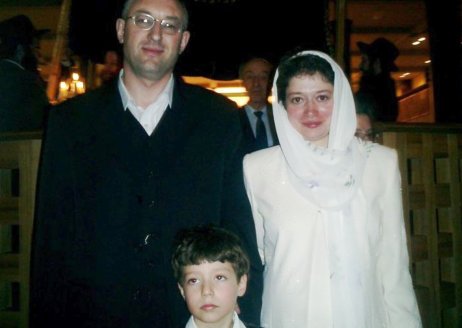
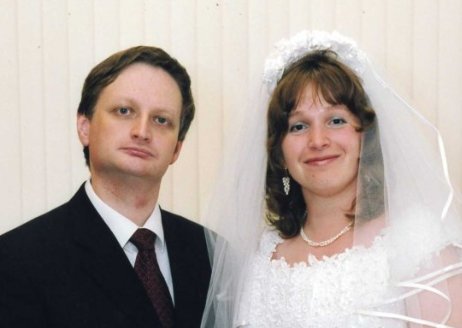
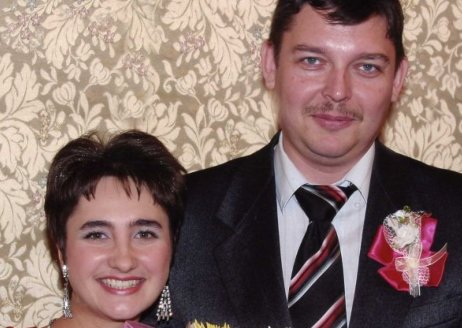
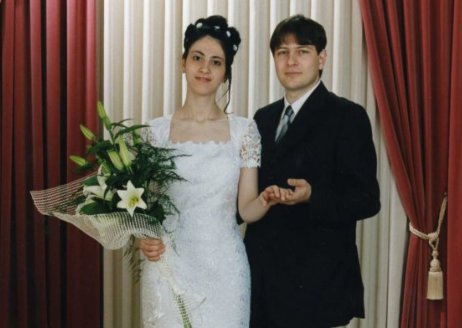
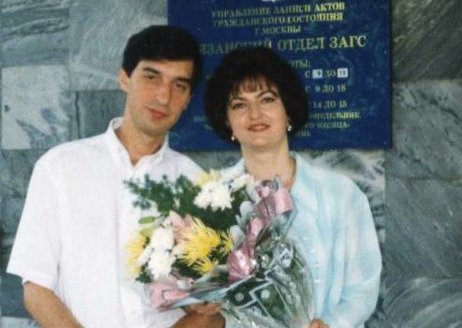
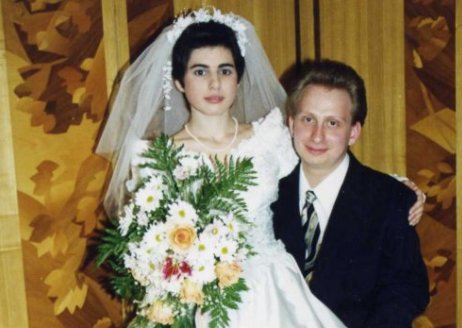
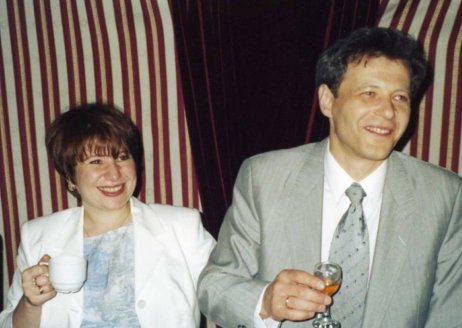
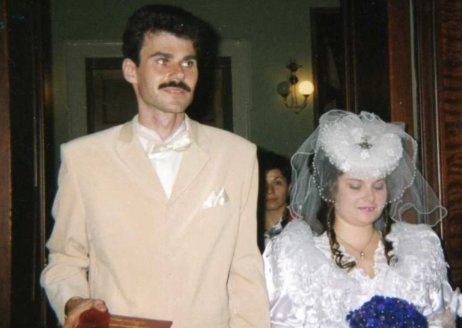
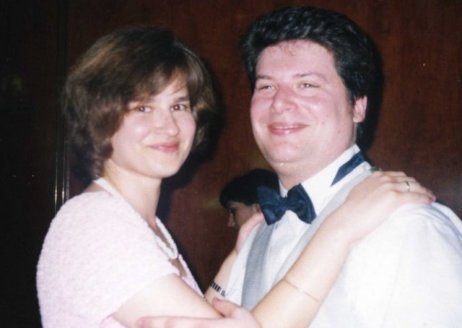
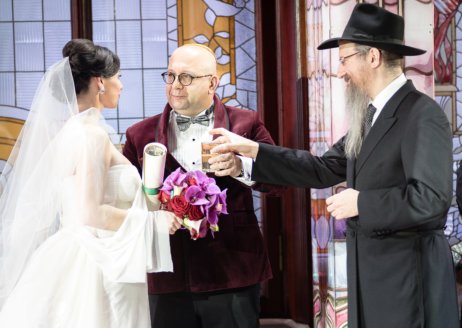
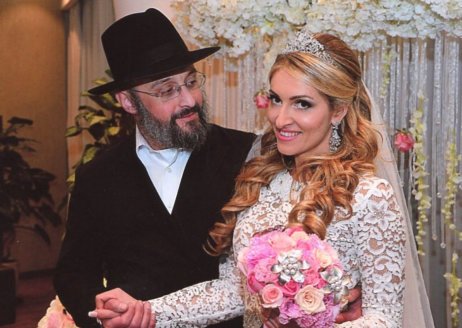
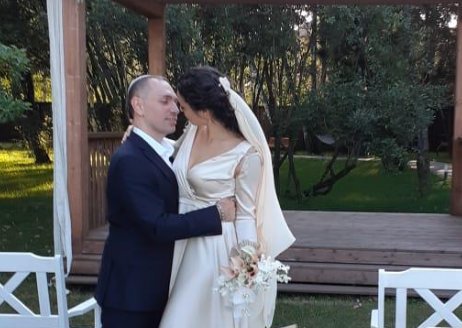
We have created more than 300 Jewish families and continue to maintain contact with them. We are pleased to share with you Dating stories our wards.
Jewish dating club Shiduh
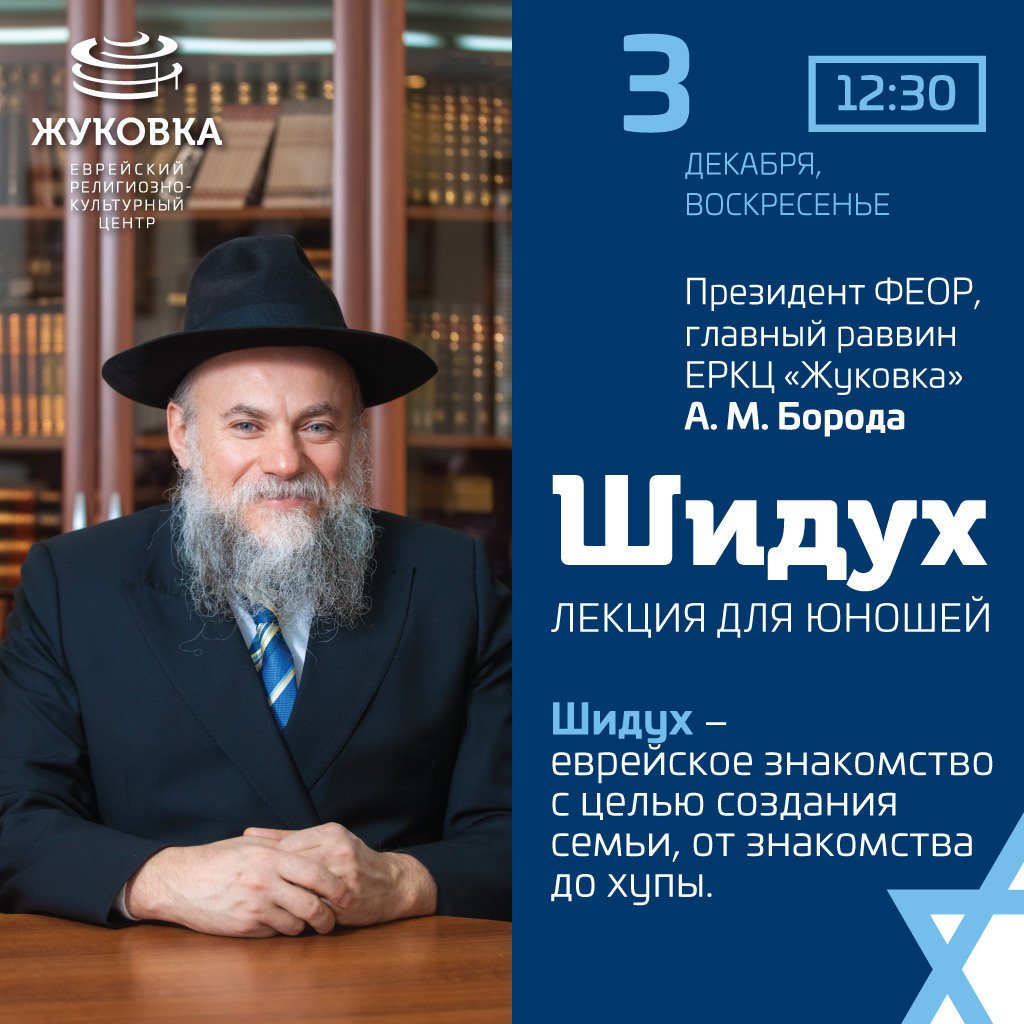
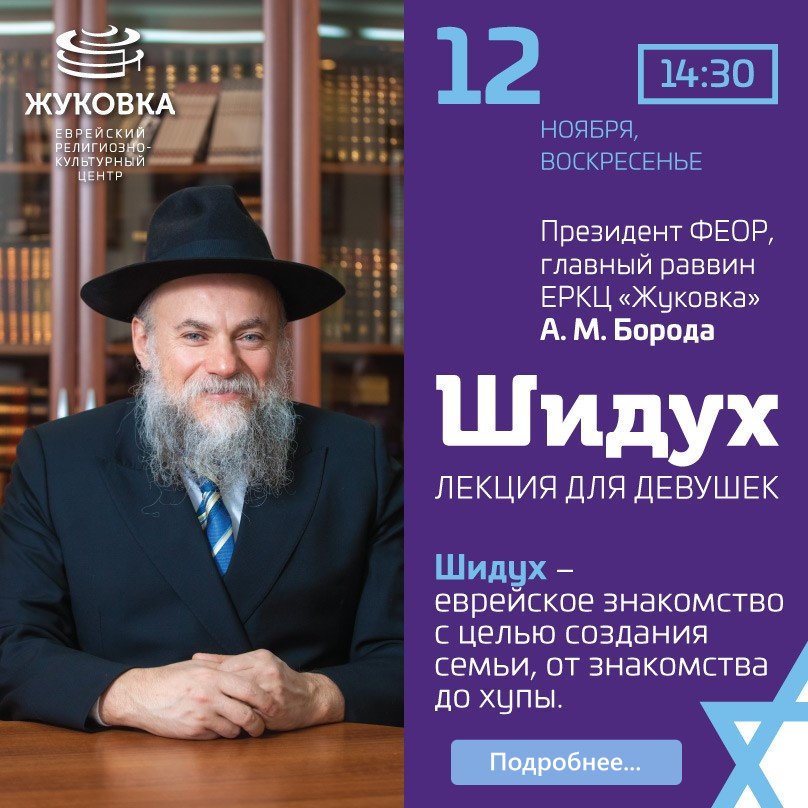
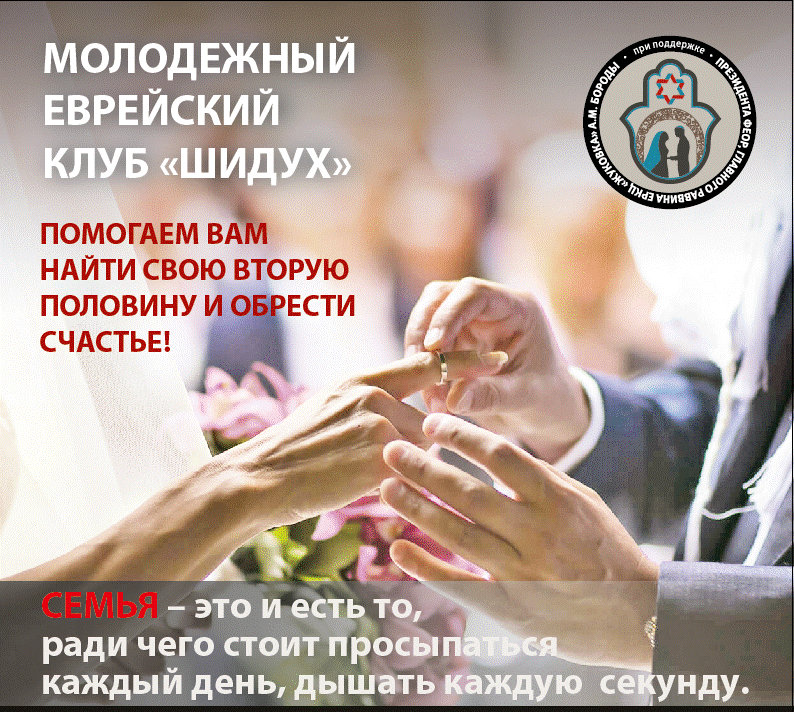
The Jewish dating club "Shiduh" has been creating happy families since 1996 (with the support of the President of the FEOR, the Chief Rabbi ERCC "Zhukovka" Alexander Moiseevich Boroda).
If a shidduch ends with a chuppah, then G-d has already completed it in heaven. Family is what is worth waking up for every day, breathing every second, and praying to God every moment to protect and protect them...
We also wish you to find happiness and have prepared a list of the most important things you need to know about the Jewish dating club “Shiduh”:
And also share links with friends and girlfriends, who knows, maybe this will help them find your half and create a happy Jewish family.
Dating club "Shiduh"
We have created more than 300 Jewish families and continue to maintain contact with them. We are pleased to share with you Dating stories our wards.
Dating club "Shiduh"
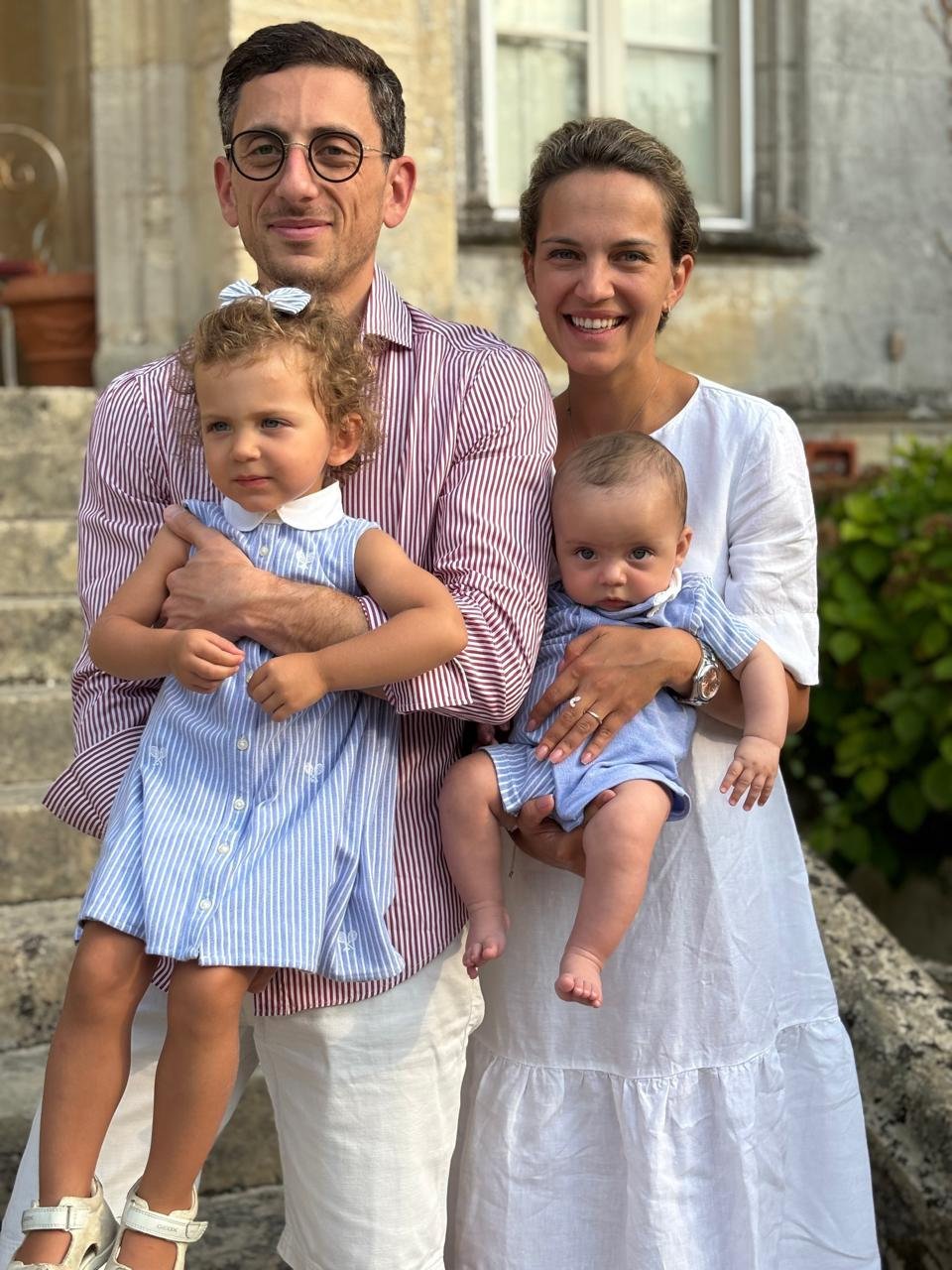
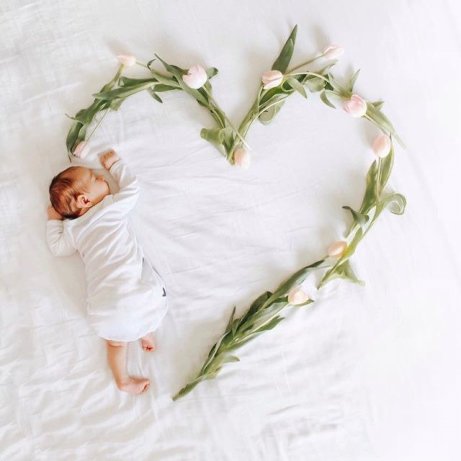
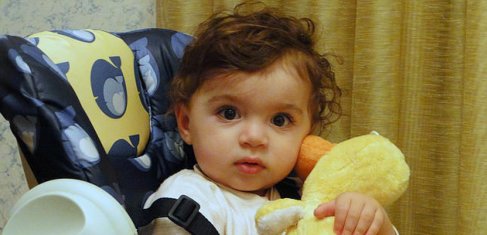
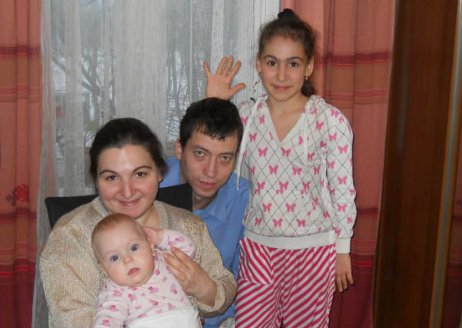
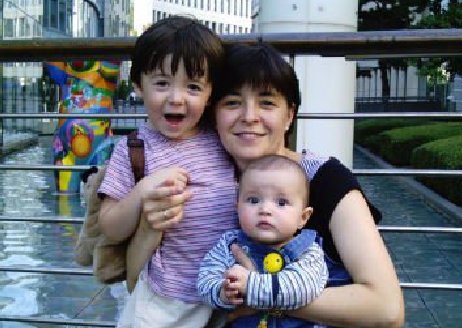
We are always very happy about the birth of children in Jewish families created with the help of the club. We invite you to admire photos sent to us.
Dating club "Shiduh"
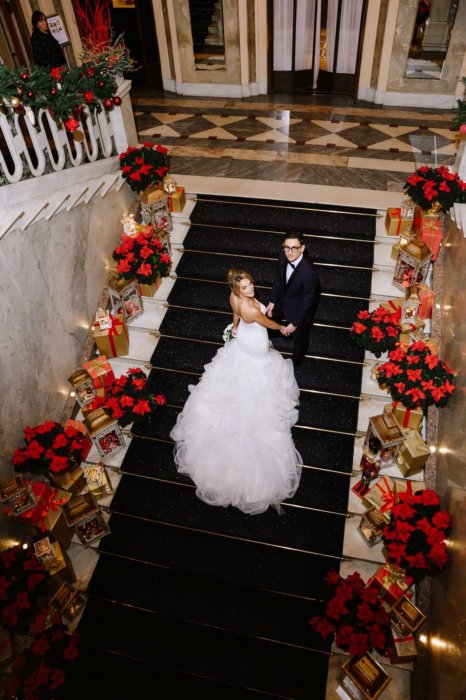
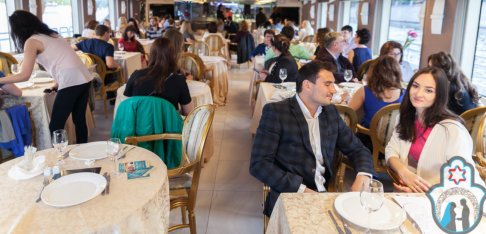
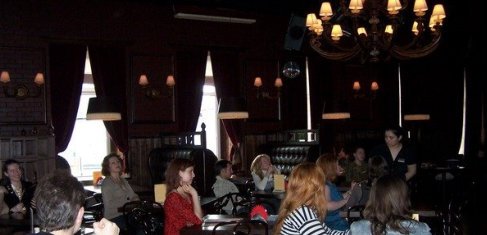
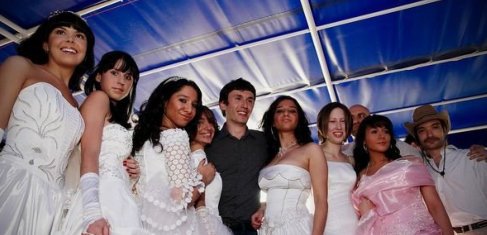
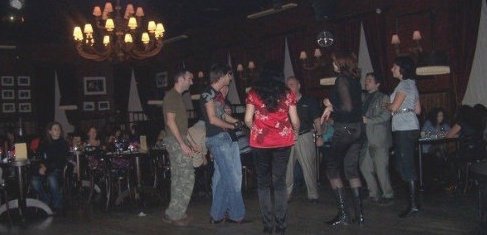
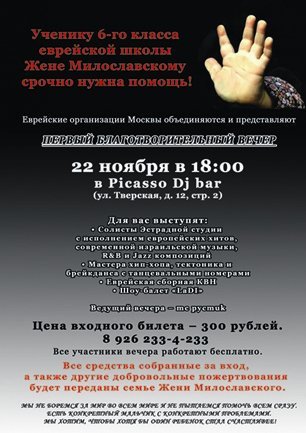
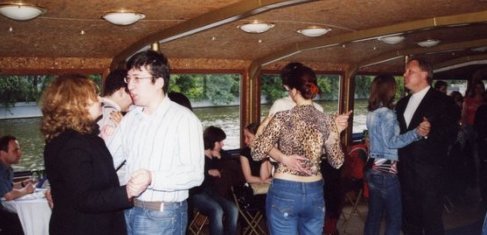
We invite you to watch photo reports from the many events held by the Club, where people found their soul mates.
Our traditions
Judaism has long defined marriage as the ideal state of human existence. A man without a wife or a woman without a husband are considered inferior individuals by Jewish society.
Traditionally, the issue of proposals is handled by a separate person from the outside, most often a professional matchmaker ("Shadchan"). The process itself gets its name from this shidduchim.
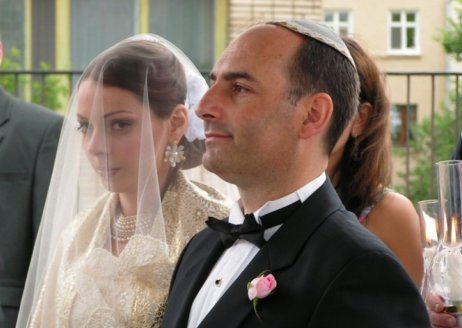
A traditional Jewish wedding is filled with meaningful rituals that symbolize both the beauty of the relationship between husband and wife and their commitment to each other and to the Jewish people.
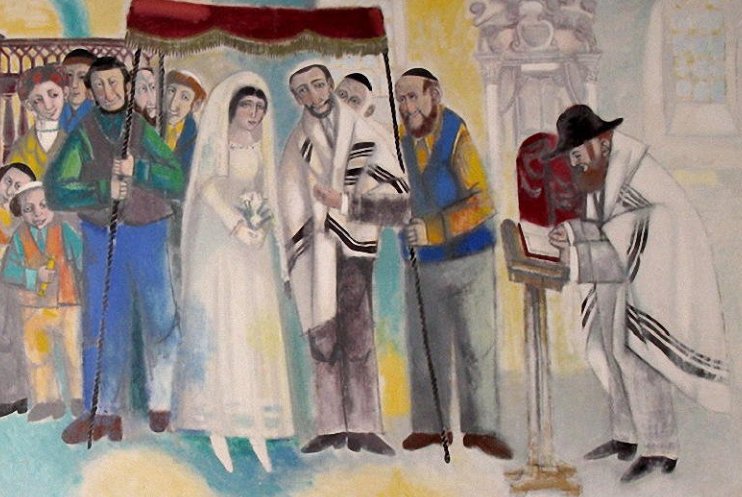
Beginning with the sunrise, the wedding day foreshadows the happiest and most sacred day in the life of the newlyweds. This day is regarded as Yom Kippur for the groom (khatan - Hebrew “groom”) and the bride (kala Hebrew “bride”), because on this day all the sins they committed are forgiven in the name of creating a new full-fledged soul. Just as one fasts on Yom Kippur, the hatan and kala do not eat anything from early dawn until the completion of the marriage ceremony. At the wedding itself, the groom wears a tunic, a traditional white shirt usually worn on Yom Kippur. An impeccable white tunic, like the bride’s white dress, are symbols of G-d’s redemption and perfect purity. (Sephardim do not have the custom of fasting and wearing a tunic.)
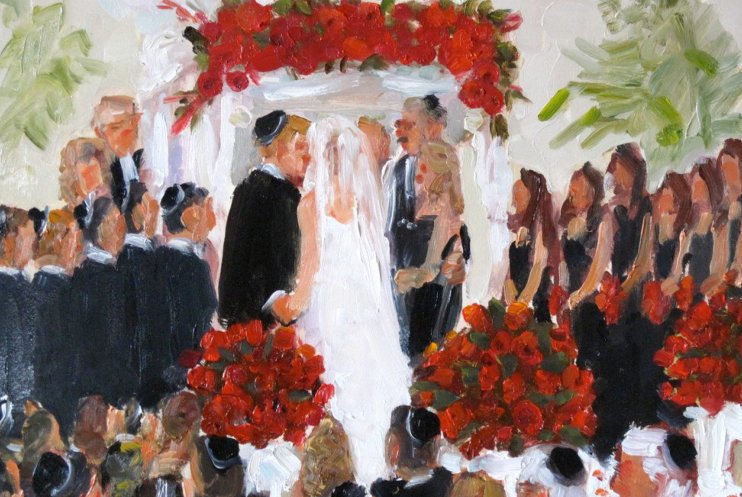
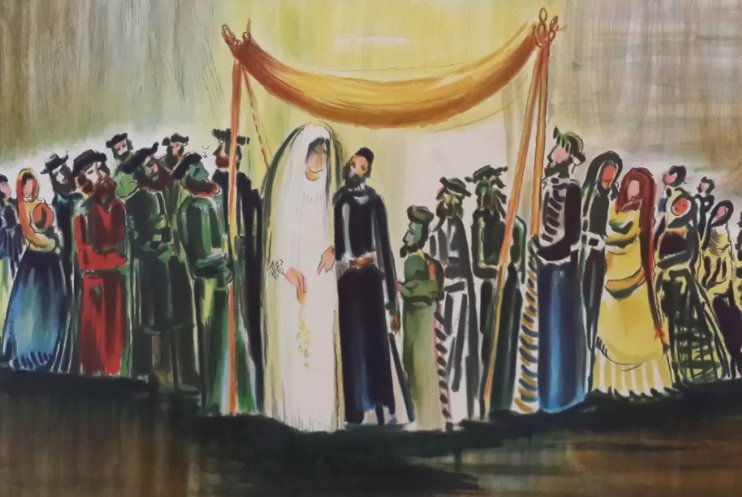
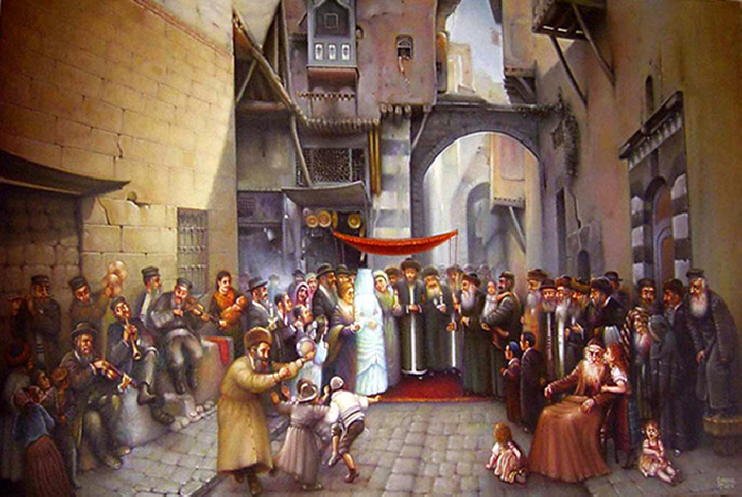
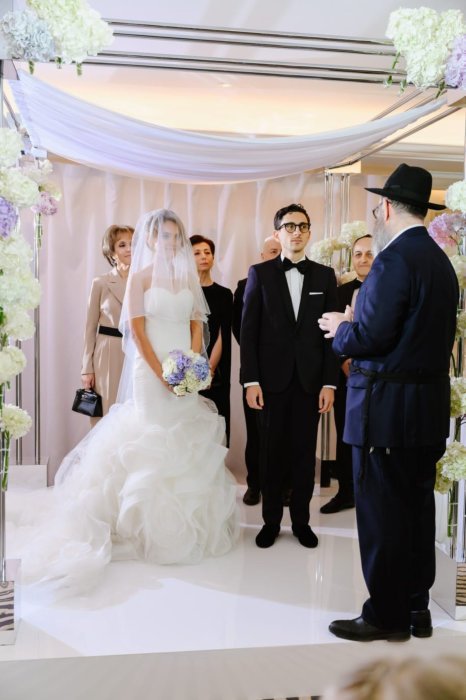
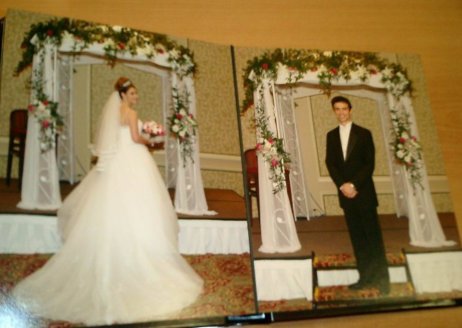
The wedding ceremony takes place under the chuppah (a special canopy, canopy attached to four poles and usually beautifully decorated). The chuppah is open on all four sides, symbolizing the future home, always open to guests, which the newlyweds will build together. All sides of the chuppah are open, first of all, as a reminder of Abraham and Sarah, whose tents were always open to provide selfless assistance to all travelers and strangers and to show the most cordial hospitality. According to Ashkenazi custom, the chuppah is built in the open air, where the stars are a sign of the Covenant given by G-d to the forefather Abraham, and the promise to make his descendants numerous, like “the stars in the sky” (Bereishit 15:5). In addition, the chuppah ceremony is held under the open skies, symbolizing the newlyweds’ decision to found a home in which high, “heavenly”, spiritual ideals will rule. Among the Sephardim, the chuppah is built in a covered room. Among Ashkenazim, the hatan and kala do not wear jewelry under the chuppah (marriage canopy). Their mutual spirituality and dedication to each other does not depend on material wealth, but is based on traits and qualities of character. The bride follows the groom, accompanied by her parents. According to Ashkenazi tradition, the bride circles the chuppah seven times. Since the world was created in seven days, with this movement she figuratively builds the walls of a new home (world) for the married couple. After all, the number “seven” symbolizes integrity and completeness, which none of them can achieve alone. Then the bride sits at the right hand (right hand) of the groom. [Among Sephardim, the groom recites the blessing of Shehiyanu on the new tallit, implying that this blessing will continue into the marriage. The tallit is supported by four young men above the heads of the bride and groom].
Two glasses of wine are used in the wedding ceremony. The first glass is accompanied by a betrothal blessing read by a rabbi. After saying the blessing, the couple drinks wine from a glass. Jewish Hupa, wedding putdoor Wine is a symbol of joy in the Jewish tradition. It is associated with the prayer of consecration, which is read on Shabbat and on holidays - kiddush. Marriage, or kiddushin, is the sanctification of the union of a man and a woman, their holiness for each other. Kiddushin literally means “sanctification,” which emphasizes the uniqueness of a Jewish wedding, because the Almighty Himself is present in the ceremony, and the relationship of the spouses is elevated to a special level of holiness.
According to Jewish law, a marriage is recognized when the groom gives the bride a valuable item. Traditionally a ring is used. The ring must be made of pure gold, without defects or jewelry (for example, inclusions of precious stones). This condition symbolizes the hope that the marriage will have natural and sincere beauty. The groom takes the wedding ring in his hand, and, in the presence of two witnesses, announces to the bride: “From now on, with this ring you are dedicated to me as my wife according to the law of Moses and Israel.” He then places the ring on the index finger of the bride's right hand. According to Jewish tradition, this is a key moment in the ceremony, because from this moment the couple becomes officially engaged.
And now comes the moment of announcing the ketubah (marriage contract), which is read out in Aramaic. The ketubah outlines the groom's responsibilities to provide food, shelter, and clothing for his wife and to replenish her emotional distress. Protecting the rights of a Jewish wife is so important that the marriage is not consummated until every last letter of the contract has been addressed. The document is signed by two witnesses and has legal force. The ketubah is the property of the bride, and she has the right to keep the document throughout the marriage. The ketubah is drawn up with a pen, written in beautiful artistic handwriting, beautifully framed and hung on the wall of the house. The Ketubah is also a reminder of the marriage of the Almighty and the people of Israel, when Moshe opened the tablets of the Covenant and read them to the people before the “wedding ceremony” at Mount Sinai. Having given us the Torah, the Almighty pledged to provide for all the physical and spiritual needs of His beloved. This invaluable “marriage contract” became the key to the survival of the Jewish people for thousands of years. The announcement of the ketubah is the conclusion of the first part of the Kiddushin ceremony, followed by its other component - Nisuin. Seven wedding blessings.
The seven wedding blessings (sheva brachot) are recited over the second glass of wine. The theme of these blessings is the connecting link between the groom, the bride and G-d, as the Creator of this world, giving joy and love, the Almighty, embodying His highest meaning - to be the Redeemer of the Jewish people. At the moment of the wedding ceremony - marriage - the souls of the bride and groom are reunited, forming a single soul, which they possessed before they came into this world. One of the “seven blessings” is the blessing of the bride and groom to find in each other the same pleasure that they originally knew during their stay in Gan Eden (in Paradise). Blessings are pronounced by the rabbi or other people whose family they wish to honor. At the completion of the seven blessings (sheva brachot), the hatan and kala drink some wine.
Even at the moment of greatest rejoicing, a Jew should not forget the lines of the psalmist: “Jerusalem will become the main source of my joy” (Tehilim 137:6) and remember the destruction of the Temple. Breaking a glass serves this purpose. The glass is placed on the floor, and the groom steps on it and breaks it with a kick. This action serves as an expression of deep sorrow for the destruction of the Temple and unites the couple with the spiritual heritage and national destiny of the Jewish people. Some jokingly explain that this is the last time the groom “lifts his leg.” (In Ashkenazi traditions, the glass is broken before the ketubah is read. And among Sephardim, even in Israel, the glass is broken at the end of the ceremony). After the groom breaks the glass, everyone exclaims: “Mazel tov!” These words will sound like the leitmotif of the entire subsequent life of the newlyweds. If one of the spouses suddenly “breaks something,” the other should exclaim “Mazel tov!” and say: “Thank You, Almighty, for the fact that You have honored me in my life not with an angel, but with a mere mortal, who is characterized by mood swings and inconsistency.” This is how the wedding ceremony ends. To the enthusiastic cries of “Mazal tov!” from the guests, the hatan and kala leave the chuppah together.
The couple is then escorted to a separate room, the so-called “room of solitude” - ihuda, and left alone for a few minutes. These moments of solitude mark their new status as husband and wife together. Since the married couple fasted in the morning, at the moment of their death they are allowed to eat something. (Sephardim do not have a “privation room” - ihud, and therefore after the ceremony the newlyweds immediately go to the wedding hall).
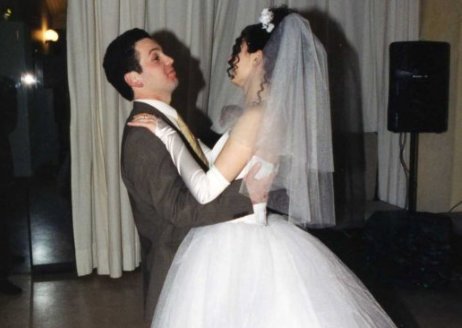
Festive meal (ceuda) Indoor wedding reception hall with round tables and floral centerpieces. Bringing joy (simcha) to the bride and groom on their wedding day is a great mitzvah for guests. Those gathered celebrate the birth of a new couple with music and dancing. After the meal, Birkat Amazon is read and Sheva Berachot is repeated. It is customary for relatives and friends to celebrate the birth of a new couple with formal dinners for a whole week after the wedding ceremony and feast. If the newlyweds are getting married for the second time, then Sheva Brachot is pronounced only on the wedding night. The last bracha, Asher Bracha, can be read for three days.
Mazal tov!
Favorites
Conducted
Club "Shiduh"
Club "Shiduh"
Club "Shiduh"
Club Shiduh
We will answer all your questions
Moscow
Tel. +7(910)468-8279
mazal.klub@gmail.com
Before filling out the Questionnaire, please read the rules
Club:
Our rules: